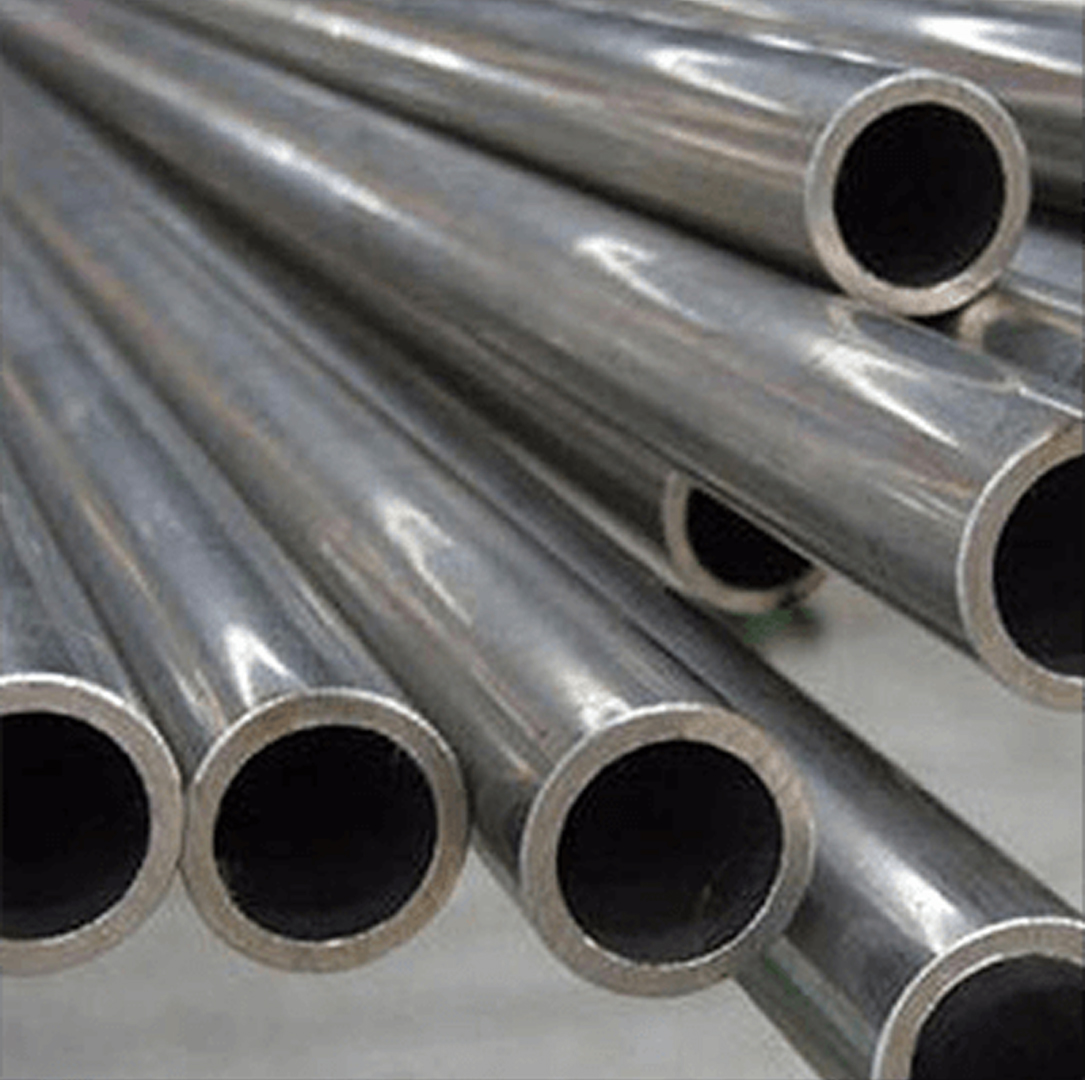
IBR Pipe
IBR Pipe refers to steel pipes manufactured, tested, inspected, and certified for applications covered by the Indian Boiler Regulations (IBR). These pipes are commonly used in boilers, steam generation systems, pressure vessels, superheaters, economizers, and high-pressure/high-temperature piping where compliance with applicable IBR requirements is required.
Spark Steel can support project-specific requirements for IBR-compliant pipe procurement, subject to the required material specification, grade, dimensions, testing, inspection, certification, and project documentation.
What Is an IBR Pipe?
An IBR Pipe is not a separate steel grade by itself. The term generally refers to a pipe that is approved and supplied for use in applications regulated under the Indian Boiler Regulations and meets the applicable material, manufacturing, testing, inspection, and certification requirements.
Depending on the application, IBR pipes may be manufactured from carbon steel, alloy steel, or other permitted materials according to the applicable specification and service requirements.
For procurement, it is important to identify:
- Pipe material and grade
- Applicable ASTM/ASME/other material specification
- Outside diameter and wall thickness
- Seamless or welded construction
- Design pressure and temperature
- Required testing
- IBR inspection and certification requirements
- Heat number and traceability requirements
- Required documentation and Material Test Certificate (MTC)
Key Features of IBR Pipes
IBR pipes are selected primarily where pressure, temperature, material traceability, and regulatory compliance are important.
Important characteristics include:
- Suitable material selection for boiler and pressure applications
- Availability in seamless and other approved constructions depending on specification
- Controlled manufacturing and testing requirements
- Heat-number traceability
- Material Test Certificate documentation
- Dimensional inspection
- Mechanical and chemical testing according to the applicable material specification
- Non-destructive testing where specified
- Third-party or authorized inspection where required
- Documentation supporting IBR compliance
The exact requirements depend on the pipe specification, grade, application, and applicable IBR provisions.
Chemical Composition
The chemical composition of an IBR pipe depends on the underlying material specification and grade.
For example, carbon steel and Cr-Mo alloy steel have different alloying requirements. Carbon, manganese, silicon, chromium, molybdenum, and other elements may be controlled according to the applicable material standard.
For project procurement, chemical composition should be verified against the relevant material specification and the Material Test Certificate (MTC).
Manufacturing of IBR Pipes
For seamless IBR pipe applications, the manufacturing process generally involves forming a steel billet into a hollow section followed by controlled sizing, heat treatment, finishing, and inspection.
A typical manufacturing and quality-control sequence may include:
- Raw material selection
- Billet inspection
- Hot working / piercing
- Rolling and sizing
- Heat treatment where specified
- Straightening
- Surface inspection
- Dimensional inspection
- Hydrostatic or other required testing
- Non-destructive testing where applicable
- Chemical and mechanical testing
- Heat-number traceability
- Documentation and certification
- Final inspection
The actual process varies according to the manufacturing specification and grade.
Applications of IBR Pipes
IBR pipes are commonly considered for regulated boiler and steam-related applications such as:
- Industrial boilers
- Power generation plants
- Steam piping
- Boiler feed systems
- Superheater systems
- Economizer systems
- Heat recovery systems
- High-temperature piping
- Pressure-containing components
- Process steam systems
- Thermal power projects
- Industrial heating systems
The pipe must be selected according to the actual operating pressure, temperature, fluid, design code, and regulatory requirements.
Why Consider Spark Steel?
When sourcing IBR-related piping, Spark Steel focuses on project-specific technical requirements rather than treating IBR as a generic pipe grade.
The procurement process can be structured around:
- Correct material identification
- Specification verification
- Dimensional requirements
- Quality documentation
- Material traceability
- Inspection requirements
- Project-specific compliance requirements
This approach helps buyers establish the required technical and documentation basis before procurement.
Frequently Asked Questions About IBR Pipe
Ready to place an order?
We supply premium quality steel products for every industrial application. Call us or send an enquiry and our team will respond within 24 hours.