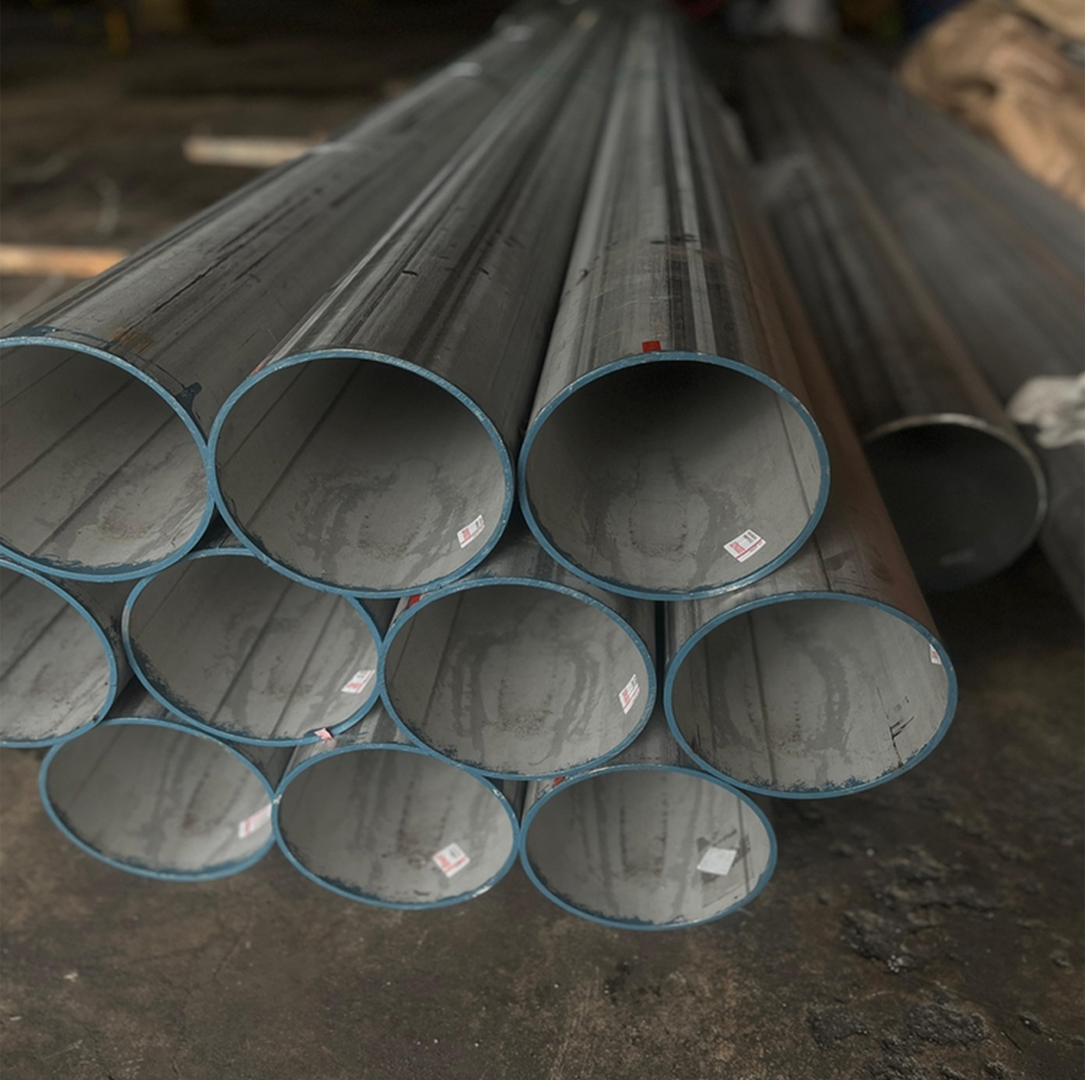
Alloy 20 Pipe for Corrosive Chemical and Industrial Applications
Alloy 20 Pipe is a nickel-iron-chromium-based alloy developed for demanding corrosion-resistant applications, particularly environments involving sulfuric acid and other aggressive chemical media. It is commonly known as Alloy 20, Carpenter 20, or UNS N08020.
The alloy contains chromium, nickel, molybdenum and copper, with niobium stabilization. This combination provides resistance to several forms of corrosion and makes Alloy 20 a material option for chemical processing, pharmaceutical, food processing, pollution control and other industrial applications.
When selecting Alloy 20 pipe, the actual service environment should be evaluated, including chemical concentration, temperature, pressure, contaminants, mechanical requirements and applicable product specifications.
What Is Alloy 20 Pipe?
Alloy 20 Pipe is manufactured from Alloy 20, a nickel-iron-chromium alloy developed for resistance to challenging corrosive environments. Its molybdenum and copper additions contribute to its resistance to sulfuric acid, while chromium helps provide resistance to oxidizing conditions.
Alloy 20 is commonly selected for chemical processing and other applications where conventional stainless steel may not provide the required corrosion performance.
The technical designation UNS N08020 is widely used to identify Alloy 20.
Key Properties of Alloy 20 Pipe
Important characteristics include:
- Good resistance to sulfuric acid
- Resistance to many chemical processing environments
- Good resistance to localized corrosion in suitable conditions
- Useful resistance to intergranular corrosion
- Good mechanical strength
- Good fabrication characteristics
- Weldability with appropriate procedures
- Suitable for demanding chemical-processing applications
- Available in seamless and welded pipe configurations depending on requirements
Actual performance depends on chemical concentration, temperature, pressure, flow conditions, contaminants, and fabrication details.
Alloy 20 Seamless Pipe
Alloy 20 seamless pipe is manufactured without a longitudinal welded seam. It can be considered where seamless construction is required because of the service conditions, design requirements, or applicable specification.
Typical considerations include:
- Pressure-containing service
- Chemical processing
- High-integrity piping systems
- Aggressive chemical environments
- Applications requiring specified seamless construction
The appropriate manufacturing route should be selected according to design, pressure, dimensions, applicable standards, and project requirements.
Alloy 20 Welded Pipe
Alloy 20 welded pipe is manufactured by forming and welding the material into a pipe. Depending on the specification, welding process and subsequent treatment can vary.
Welded pipe can be considered for applications where larger dimensions, particular wall thicknesses, or project-specific manufacturing requirements are involved.
For critical applications, the purchaser should specify applicable requirements for welding, heat treatment, testing, and inspection.
Applications of Alloy 20 Pipe
Alloy 20 Pipe is commonly considered for industries where corrosion resistance is an important material-selection factor.
Chemical Processing
Used in piping systems handling selected acids, chemical solutions, and corrosive process media.
Sulfuric Acid Service
Alloy 20 is particularly known for its usefulness in certain sulfuric acid environments. Suitability still depends on concentration, temperature, contaminants, and operating conditions.
Pharmaceutical Industry
Can be considered for selected process piping and equipment where corrosion resistance and material compatibility are important.
Food Processing
Certain food and chemical processing environments may require corrosion-resistant alloy piping.
Manufacturing Plants
Used in selected process, utility, and chemical-handling systems depending on service requirements.
Petrochemical Applications
Can be considered for specific corrosive process environments after engineering evaluation of the operating conditions.
Common Alloy 20 Pipe Applications
- Chemical processing plants
- Sulfuric acid handling systems
- Chemical storage and transfer
- Pharmaceutical processing
- Food-processing equipment
- Mixing and processing systems
- Industrial piping
- Heat-exchanger-related applications
- Corrosive process environments
- Manufacturing facilities
Alloy 20 Pipe Supplier
When evaluating an Alloy 20 Pipe supplier, consider:
- Experience with nickel alloys and corrosion-resistant materials
- Material traceability
- Product documentation
- Manufacturing or sourcing capabilities
- Inspection and testing processes
- Ability to meet dimensional requirements
- Packaging and handling procedures
- Export and domestic supply capabilities
- Technical support during material selection
Spark Steel can position its Alloy 20 Pipe offering around product knowledge, specification-based supply, documentation, and application-focused assistance.
Why Choose Spark Steel for Alloy 20 Pipe?
Spark Steel presents itself as a manufacturer and supplier of stainless steel and specialty metal products, with experience in industrial metal applications.
For Alloy 20 Pipe requirements, customers can discuss:
- Required pipe dimensions
- Alloy specification
- Seamless or welded construction
- Quantity requirements
- Testing and documentation
- Application conditions
- Delivery requirements
Product availability, exact dimensions, certifications, and lead time should be confirmed with Spark Steel before ordering.
Frequently Asked Questions About Alloy 20 Pipe
Ready to place an order?
We supply premium quality steel products for every industrial application. Call us or send an enquiry and our team will respond within 24 hours.